
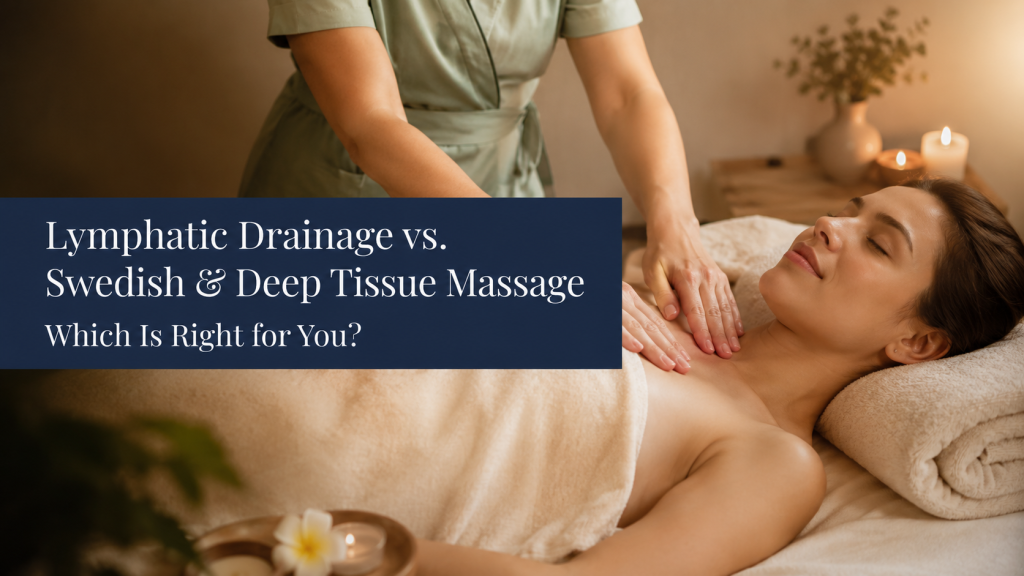
Compare the purpose, pressure, benefits, and safety of each approach so you can choose the right treatment for swelling, recovery, relaxation, or muscle tension.
Lymphatic drainage massage uses very light, rhythmic skin-stretching movements to support lymph fluid movement and help manage swelling. Swedish massage uses flowing strokes for relaxation and general muscle comfort, while deep tissue massage applies slower, focused pressure to muscular tension. The right choice depends on whether your primary concern is fluid-related swelling, relaxation, or deeper muscle pain.
Choosing by pressure alone can lead you to book the wrong service. Lymphatic drainage is not simply a softer Swedish massage, and deep tissue massage is not a stronger substitute for lymphatic work. Lymphatic drainage, Swedish massage, and deep tissue massage use different movement patterns and are selected for different treatment goals.
At Sandra Diaz Massage in Dr. Phillips, clients often arrive with more than one concern. Someone may feel swollen after a procedure and also have shoulder tension from sleeping differently. Another person may want relaxation but assume lymphatic drainage is the best option because it is trending online. A clear understanding of the goal behind each treatment makes the booking decision easier.
What is the difference between lymphatic drainage, Swedish, and deep tissue massage?
The main difference is the treatment goal. Manual lymphatic drainage uses gentle, carefully directed skin movements to support lymph fluid movement. Swedish massage uses flowing strokes to promote relaxation and general muscle comfort. Deep tissue massage uses slower, more focused pressure to address persistent muscular tension and restricted movement.
The National Cancer Institute describes manual lymphatic drainage as a gentle massage used to help move lymph fluid through the body. The International Society of Lymphology identifies it as one component of complete decongestive therapy for lymphedema, alongside compression, exercise, and skin care when medically indicated.
Swedish and deep tissue massage are the clearest muscle-focused alternatives to lymphatic drainage. Swedish massage uses long, flowing strokes for relaxation and general muscle comfort. Therapeutic massage combines techniques around a specific functional goal. Deep tissue massage uses slower, more focused pressure to work with deeper layers of muscle and connective tissue. These methods may feel very different, but they share a stronger muscular focus than lymphatic drainage.
How do lymphatic, Swedish, and deep tissue massage compare?
Lymphatic drainage, Swedish massage, and deep tissue massage differ in pressure, pace, sequence, and expected outcome. A comparison is more useful than asking which treatment is best because each one is better suited to a different concern.
| Treatment element | Lymphatic drainage massage | Swedish or deep tissue massage |
|---|---|---|
| Primary goal | Support lymph fluid movement and help manage fluid-related swelling. | Swedish massage supports relaxation and general muscle comfort. Deep tissue massage targets persistent tension, stiffness, and specific muscular restrictions. |
| Pressure | Very light, rhythmic, and carefully directed. | Swedish pressure is generally gentle to moderate. Deep tissue pressure is slower, more focused, and adjusted to tolerance. |
| Main focus | Lymphatic pathways and fluid movement near the skin. | Muscles, fascia, and other soft tissues. |
| Session feel | Subtle, repetitive, and methodical. | Swedish may include long gliding strokes and kneading. Deep tissue may include compression, targeted pressure, stretching, or sustained work. |
| Often selected for | Lymphedema management, provider-cleared post-procedure swelling, heaviness, or fluid buildup. | Swedish: stress, relaxation, and broad muscle soreness. Deep tissue: knots, persistent tension, stiffness, and focused problem areas. |
| Medical guidance | Often important when swelling, surgery, lymphedema, or a health condition is involved. | Important when pain is unexplained, acute, severe, or connected to a medical condition. |
| Expected response | May reduce a heavy or puffy feeling, but results vary and it may be one part of a broader care plan. | May improve comfort and relaxation, with results depending on the condition, technique, and individual response. |
When is lymphatic drainage massage the better choice?
Lymphatic drainage may be the better choice when the primary concern is swelling, heaviness, fluid buildup, or post-procedure recovery and a medical provider has approved massage. The technique is especially relevant for clients with diagnosed lymphedema or those following a surgeon-directed recovery plan.
Manual lymphatic drainage uses light, rhythmic movements because lymphatic vessels are close to the skin. More pressure is not automatically more effective. The therapist works in a planned sequence to encourage fluid toward areas where it can move more normally. A properly performed session should not feel like deep tissue work and should not be painful.

After surgery, the timing and treatment area must follow the surgeon’s instructions. Incisions, drains, infection risk, and the type of procedure can change what is appropriate. Sandra’s guide to lymphatic drainage massage after surgery explains why medical clearance and individualized timing matter.
Lymphatic drainage is also sometimes requested for general puffiness or a heavy feeling. Persistent or unexplained swelling should be evaluated by a healthcare provider before massage. Swelling can have many causes, and massage should never be used to delay diagnosis.
When are Swedish or deep tissue massage the better choice?
Swedish or deep tissue massage is usually the better choice when the main concern is muscle tension, knots, stiffness, stress, workout soreness, or reduced comfort with movement. Swedish massage is generally selected for relaxation and broad muscular comfort, while deep tissue massage is more focused on persistent tension and specific problem areas.
A client with tight shoulders from desk work may benefit from therapeutic or deep tissue work. Someone who wants a calming full-body experience may prefer Swedish massage. An active client with training-related soreness may need sports massage. These treatments allow the therapist to work more directly with muscles than lymphatic drainage does.

The National Center for Complementary and Integrative Health notes that massage has been studied for several pain and stress-related concerns, although results vary by condition and research quality. Massage is supportive care, not a replacement for medical evaluation when pain is severe, new, or unexplained.
How does lymphatic drainage feel compared with Swedish or deep tissue massage?
Lymphatic drainage usually feels lighter, slower, and more repetitive than Swedish or deep tissue massage. The therapist uses gentle skin-stretching and rhythmic movements rather than kneading muscles or applying sustained pressure. Clients who expect a familiar relaxation or deep tissue session may be surprised by how subtle lymphatic work feels.
The session may focus on areas that seem unrelated to the place where swelling is most noticeable because the therapist first prepares pathways for fluid movement. That planned sequence is one reason lymphatic drainage should not be treated as a generic relaxation massage.
Swedish massage often includes broader gliding strokes and kneading, while deep tissue massage may use compression, targeted pressure, stretching, or slow sustained work. Both focus more directly on muscle tone, tenderness, and movement than lymphatic drainage does.
Can one session include lymphatic drainage and Swedish or deep tissue massage?
A session can sometimes include both approaches, but the plan should be intentional. Combining techniques is not as simple as starting gently and then pressing harder. The therapist must consider the reason for swelling, medical restrictions, treatment areas, and whether muscular work could irritate healing tissue.
For a healthy client with mild puffiness and ordinary muscle tension, a therapist may use a short period of gentle lymphatic work followed by relaxation-focused massage in appropriate areas. For a post-operative client or someone with diagnosed lymphedema, the session may need to remain strictly within the approved lymphatic plan.
An important booking insight is that two goals may require two different sessions. Trying to address significant swelling and deep muscular tension in the same appointment can dilute both treatments. Sandra can help determine whether the concerns can be managed together or should be scheduled separately.
How should you choose the right massage in Orlando?
Choose the service that matches your primary concern, not the treatment name that sounds most popular. Describe what you feel, when it began, whether a medical procedure or diagnosis is involved, and what you want to feel different after the appointment.
Use these questions before booking:
- Is the main concern swelling, heaviness, or fluid buildup, or is it muscle tension, soreness, or stress?
- Did the concern begin after surgery, a medical treatment, an injury, or a change in activity?
- Has a healthcare provider diagnosed the swelling or given instructions about massage timing and pressure?
- Would a very gentle fluid-focused session or a muscle-focused session better match the result you want?
- Are there two separate goals that may be better addressed in different appointments?
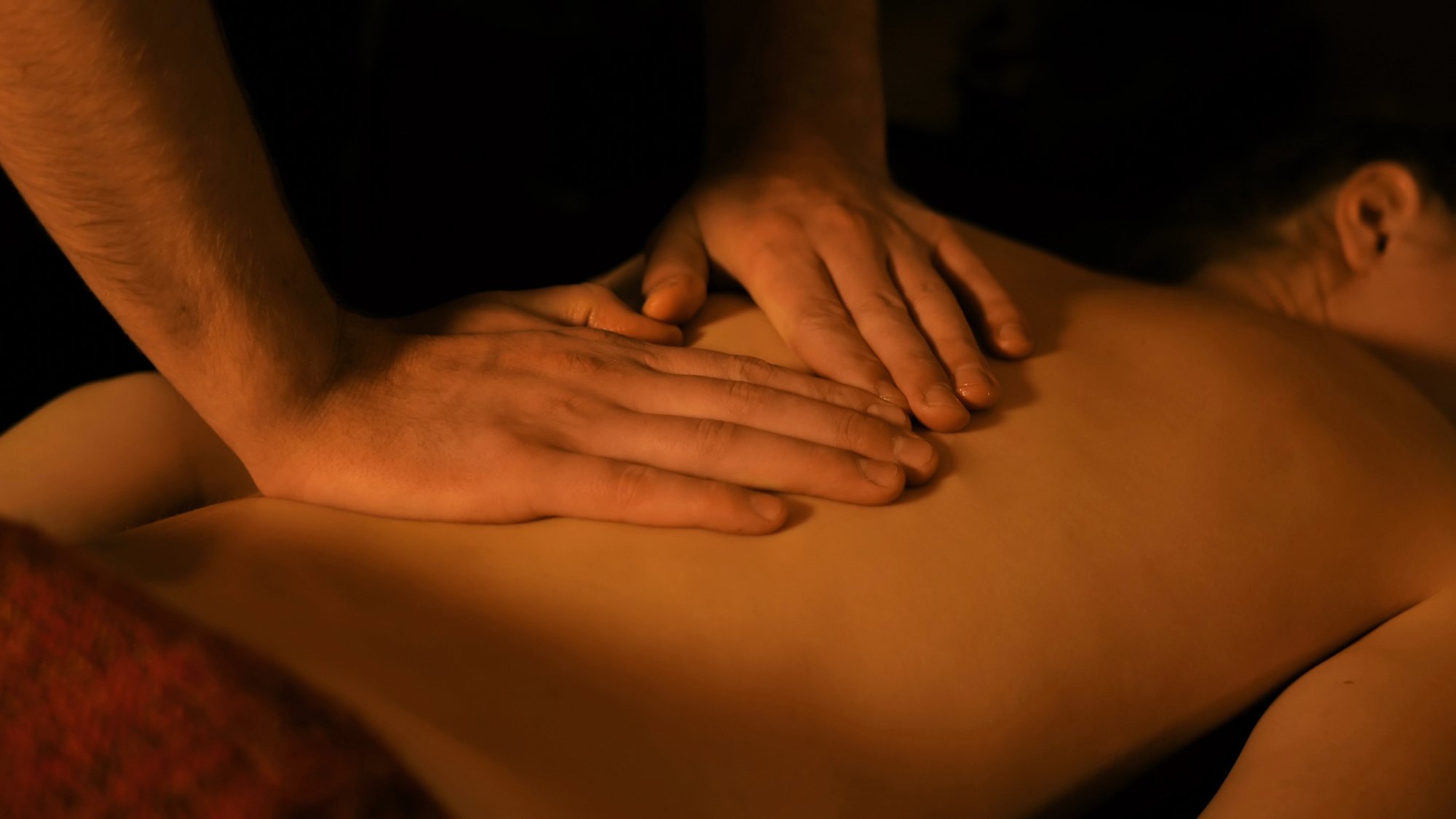
Sandra can help you choose between lymphatic drainage, Swedish, therapeutic, deep tissue, and sports massage after reviewing your goals and any relevant medical guidance.
When should you contact a healthcare provider before massage?
Contact a healthcare provider before booking lymphatic drainage when swelling is sudden, unexplained, one-sided, painful, red, or warm, or when you have fever, infection, shortness of breath, chest pain, or a suspected blood clot. These symptoms require medical assessment rather than massage.
Cleveland Clinic advises avoiding lymphatic drainage in several situations, including blood clots, cellulitis, deep vein thrombosis, fever, infection, certain heart conditions, kidney failure, and stroke. Individual circumstances differ, so clients with a significant medical history should ask their provider whether massage is appropriate.
Massage therapy generally has a low risk of harmful effects, according to NCCIH, but rare serious problems have been reported, especially with vigorous techniques or clients who are at higher risk of injury. A licensed therapist should ask about medications, surgeries, current symptoms, and provider restrictions before beginning.
Choose the treatment that matches the problem
Lymphatic drainage, Swedish massage, and deep tissue massage are all valuable, but they are not interchangeable. Lymphatic drainage uses light, directional movements to support fluid movement. Swedish massage emphasizes relaxation and general muscular comfort. Deep tissue massage works more directly with persistent tension and specific areas of restriction.
Sandra Diaz is a licensed and insured massage therapist with more than 15 years of experience in therapeutic massage, rehabilitation-focused care, and post-operative lymphatic drainage. Her private Dr. Phillips studio offers personalized sessions for Orlando clients who want professional care and clear guidance about which treatment fits their goals.
Book the Massage That Matches Your Goal
Review the lymphatic drainage massage service or therapeutic massage service. Share your symptoms and goals when scheduling so Sandra can plan the session around what your body needs.
Book an AppointmentFrequently Asked Questions About Lymphatic Drainage vs. Swedish or Deep Tissue Massage
Is lymphatic drainage massage the same as Swedish massage?
No. Lymphatic drainage uses very light, rhythmic skin movements that follow lymphatic pathways and support fluid movement. Swedish massage uses longer gliding strokes and kneading to relax muscles and improve general comfort. Both can feel gentle, but the treatment goals, sequence, and tissues being addressed are different.
Does lymphatic drainage massage hurt?
Lymphatic drainage should not hurt. The pressure is intentionally light because many lymphatic vessels sit close to the skin. You may feel gentle stretching or rhythmic movement, but not deep compression. Tell the therapist immediately if the session causes pain, pressure near healing tissue, dizziness, nausea, or other discomfort.
Can lymphatic drainage massage help with weight loss?
Lymphatic drainage does not remove body fat and should not be marketed as a weight-loss treatment. Some clients notice a temporary change in puffiness or fluid-related swelling, which may make the body feel lighter. Lasting weight loss requires changes that affect body fat, not a temporary shift in fluid.
How many lymphatic drainage sessions do I need?
There is no universal number of sessions. The appropriate schedule depends on why you are seeking treatment, the amount and cause of swelling, your medical provider’s instructions, and how your body responds. Post-operative clients should follow their surgeon’s guidance. Start with an assessment rather than purchasing a fixed series automatically.
Can I get deep tissue massage after lymphatic drainage?
Sometimes, but not automatically in the same area or session. Deep tissue work may be appropriate for unrelated muscle tension when there are no medical restrictions. After surgery or with lymphedema, stronger pressure may be inappropriate. Ask your healthcare provider and therapist before combining lymphatic drainage with deep tissue techniques.